Start with what needs charging
A small phone top-up and a laptop working session ask different things of a power bank. Check the device manufacturer's charging requirements, then compare the bank's supported outputs and protocols. A USB-C socket can be an input, an output or both; read its specified role.
The capacity printed in milliamp-hours is not a direct promise of a particular number of full phone charges. Voltage, conversion losses and the device's own consumption matter. Treat advertised charge counts as estimates under stated conditions, not as a guaranteed result during navigation, gaming or a video call.
Read the port combination
Check the output available from the port you intend to use and what changes when a second device is connected. Total output and per-port output are different details. For a laptop, confirm that the supported power delivery arrangement is suitable rather than assuming a large capacity makes it compatible.
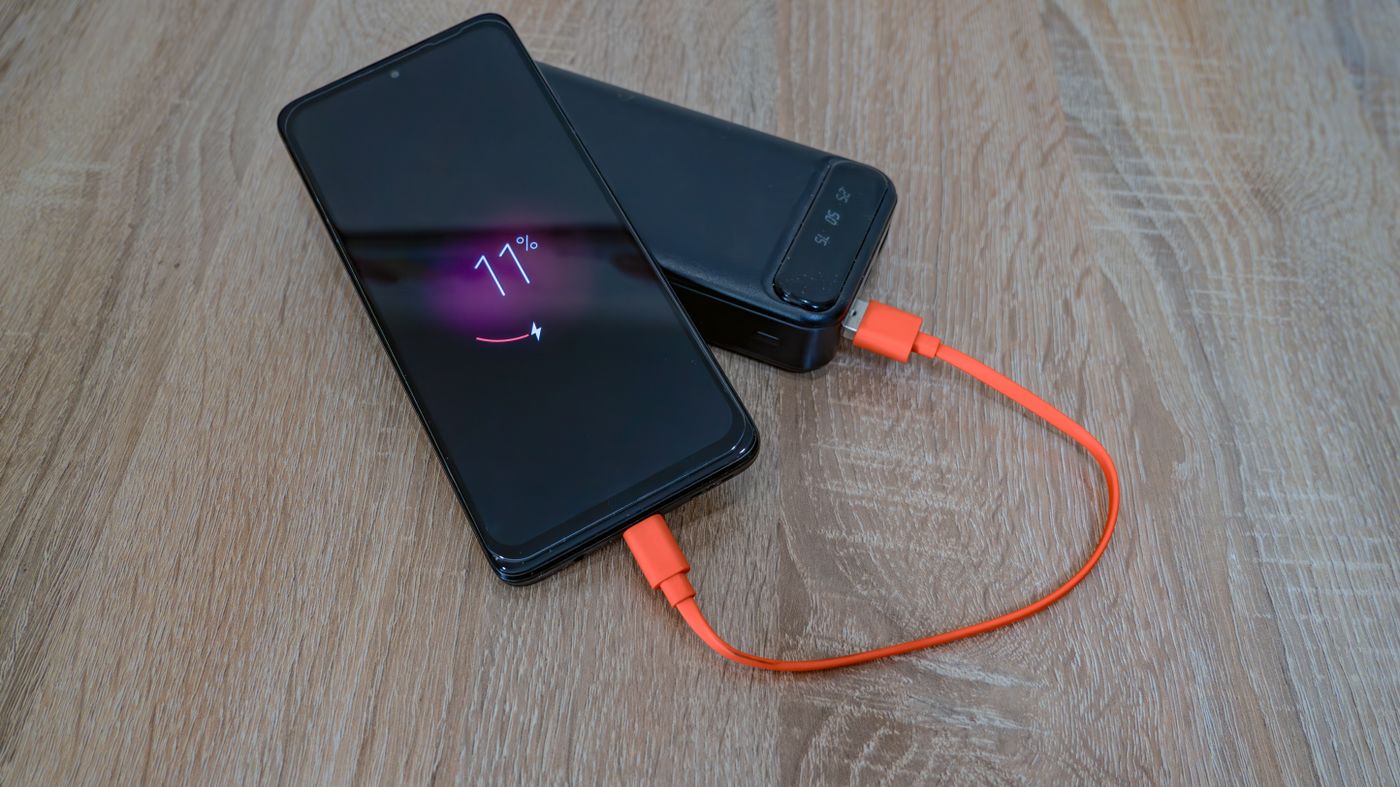
Use a cable appropriate for the required power and connection. Keep it short enough to manage in a bag without putting tension on the device. Test the full combination at home before relying on it during a journey.
Include recharging the bank
Look at the bank's input requirements and expected recharge arrangement. A large bank can take inconveniently long to refill with an unsuitable charger. Confirm whether the charger is included and what you will use overnight or between trips.
Weight and size matter if you carry it daily. The largest capacity is not automatically the most useful choice when it is routinely left at home. Compare a realistic day's need with the equipment you are willing to carry.
Buy and handle it carefully
Use a reputable retailer and follow the manufacturer's charging and storage instructions. Stop using a bank that is swollen, damaged or behaving abnormally, and seek appropriate guidance for disposal. Do not put a suspect unit back into service because it still provides a charge.
For air travel, check the airline and relevant airport guidance for the exact capacity and carriage rules before departure; those rules can change. Do not infer permission from the fact that a bank fits in a pocket. Keep its specifications readable so you can identify it when needed.
After purchase, test one ordinary recharge of your device and note the remaining capacity indication. That practical result is a better planning aid than expecting every trip to match a marketing example.