Write down the action you want
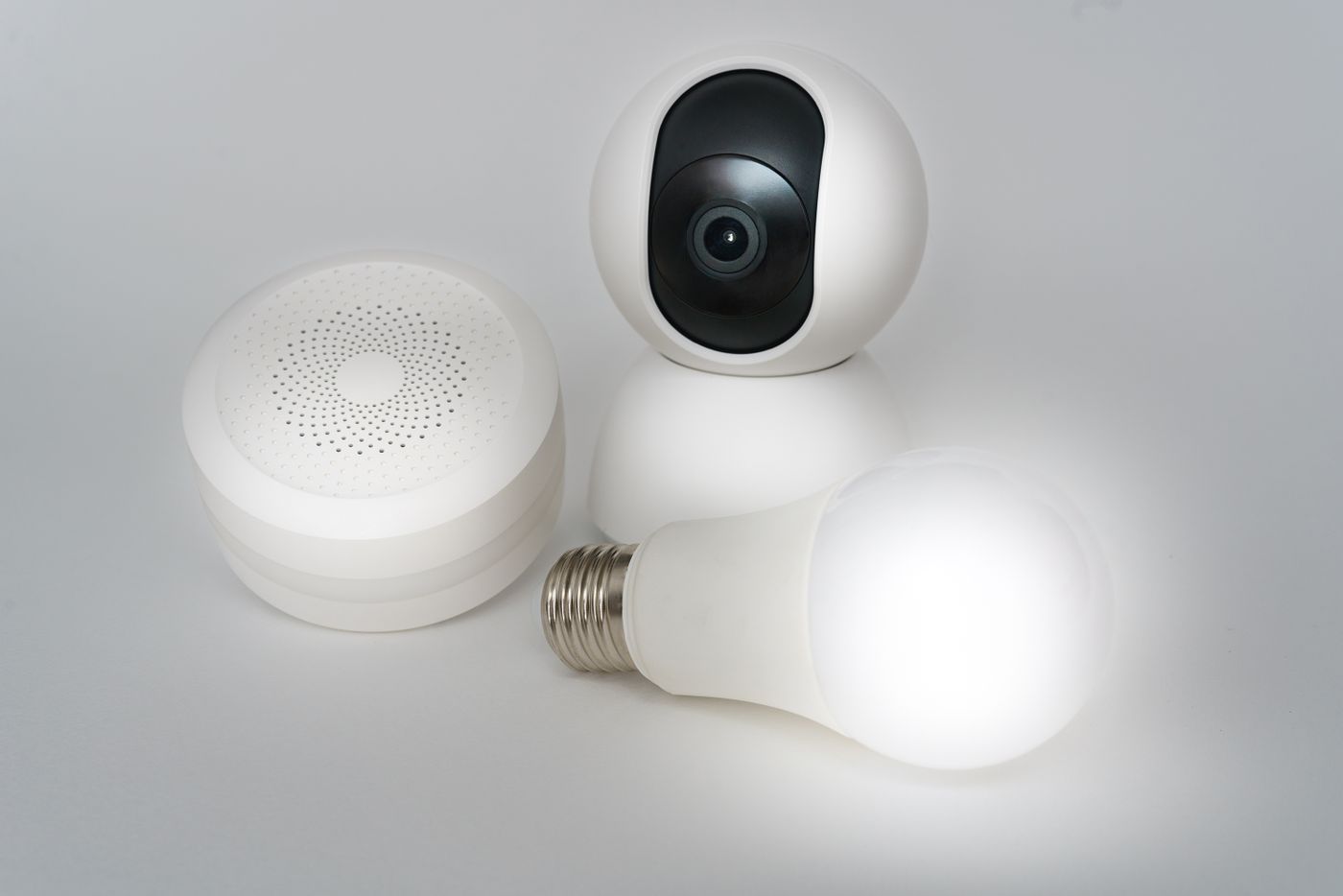
“Works with my smart home” is too broad a requirement. Be specific: turn a lamp on from a phone, trigger a light from a sensor or share control with another household member. Different integrations may support different parts of a product's feature set.
List the controller, app or voice platform you already use. Include the exact hub or speaker model where relevant. A brand name on the product page does not establish that every device in that ecosystem can perform the same role.
Separate the connection from the control system
Wi-Fi, Bluetooth, Thread and other connection technologies describe different parts of the route. Matter describes an interoperability approach, but a compatible product can still have setup requirements and supported-device limitations. Check the manufacturer's current requirements for the exact product and the controller you own.
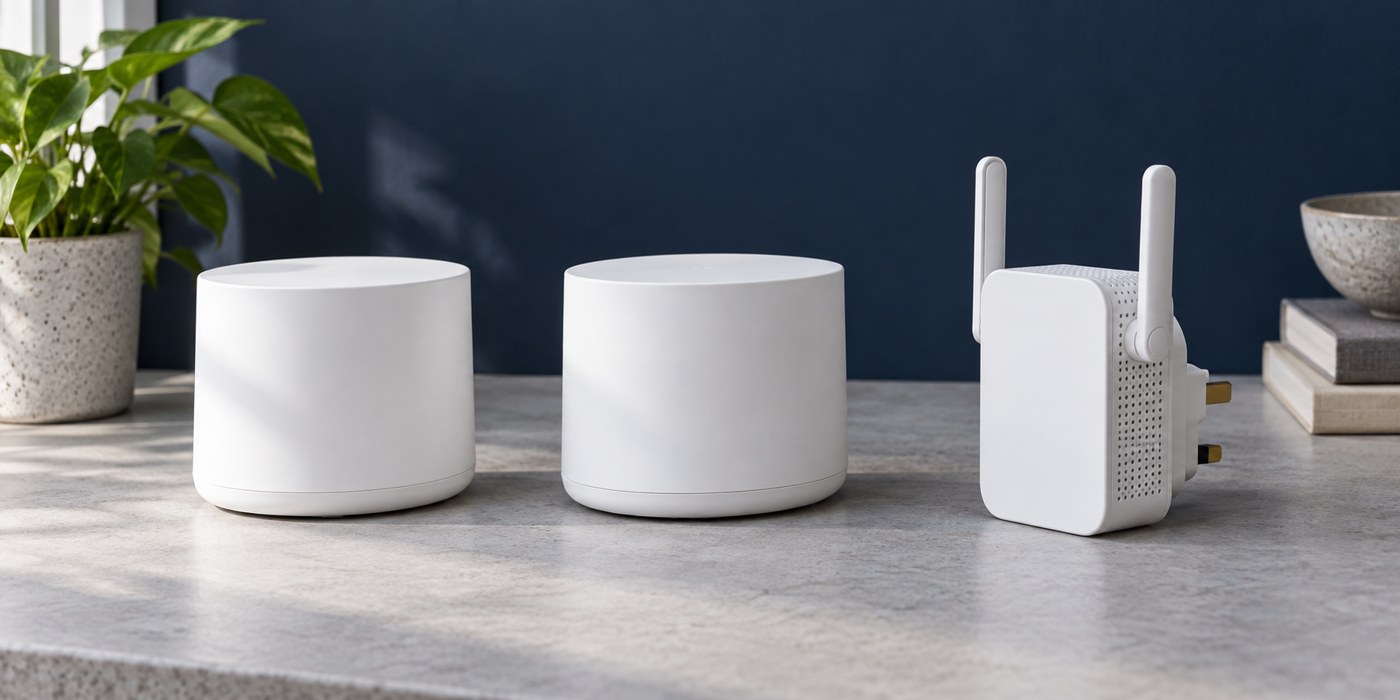
If a hub or border router is needed, confirm whether your existing equipment provides that role. Do not assume a device that looks like a hub performs every hub function. Include any extra hardware in the cost and space plan before purchasing the accessory.
Ask what remains local
Read what works if the internet connection is unavailable. Physical controls, local routines, remote access and notifications may have different dependencies. Avoid treating “local” or “cloud” as a single all-or-nothing label for the entire product.
Check whether essential functions require a subscription or a manufacturer account. A product may connect successfully to another platform while keeping some advanced features in its own app. Decide whether that split is acceptable for the way your household will use it.
Plan setup and handover
Confirm the supported phone software and network requirements. If the product requires a particular wireless band during setup, follow its instructions. Think about where the device will be installed and whether you can reach its reset or pairing control later without dismantling furniture.
Read how control is shared and how the device is removed from an account before resale. Shared household access is usually better handled through supported invitations than by sharing one password. Keep purchase and model details so future compatibility checks are straightforward.
Buy one device first when you are uncertain about a larger rollout. Test the intended action, manual control and recovery after a normal interruption. A small successful setup is stronger evidence than a long list of compatible logos.