Prefer things you can take with you
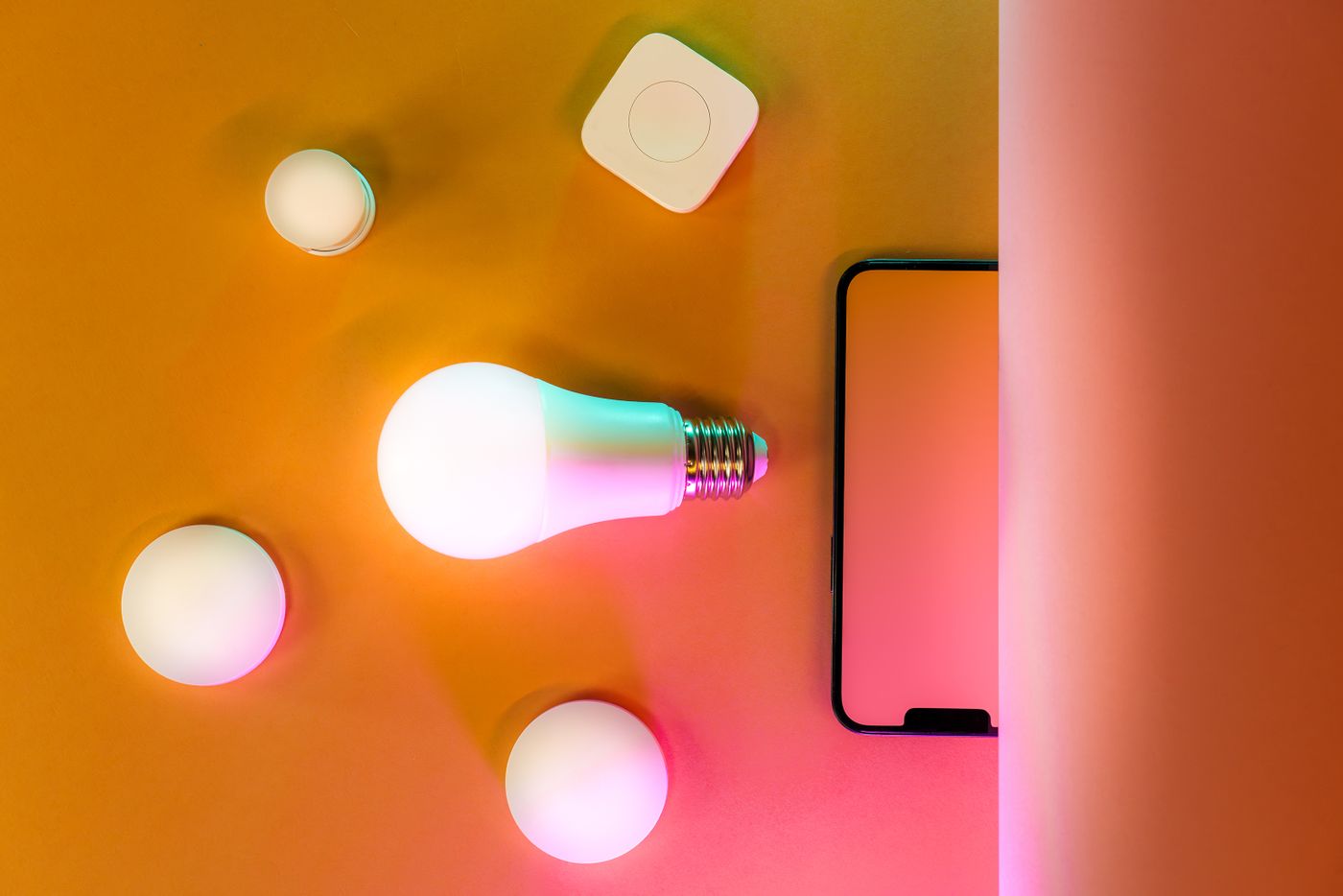
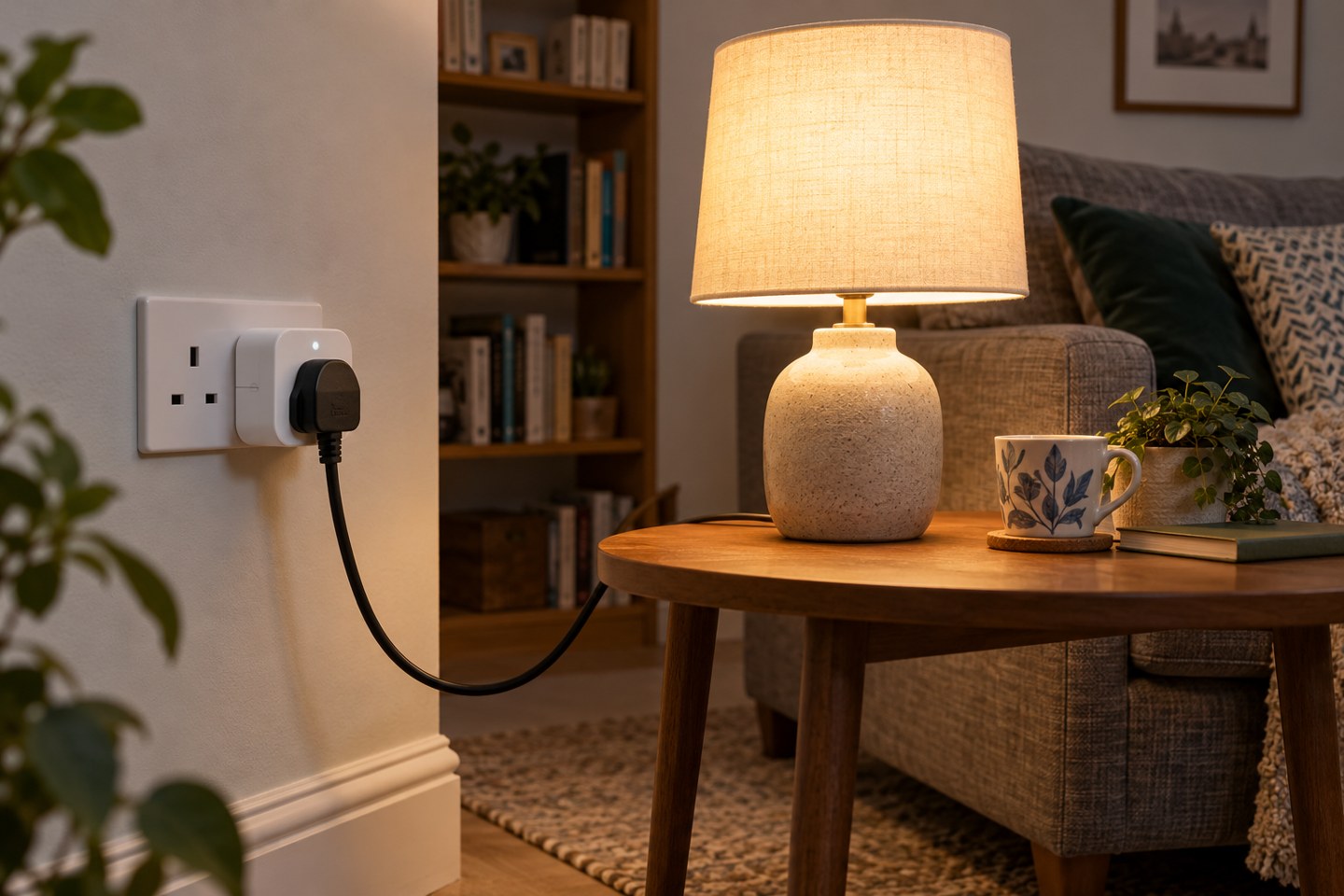
A lamp with a compatible smart bulb, a suitable plug-in control or a freestanding sensor can be easier to move than a replacement wall switch. Start with the task you want to improve and look for an arrangement that uses existing furniture and sockets. Reversible does not mean invisible: a large plug may still prevent a bed or cabinet from sitting where it normally does.
Check the tenancy terms and obtain any required permission before drilling, changing fixed fittings or modifying wiring. Do not assume a small device is exempt because it is sold as a simple home upgrade. For electrical installation work, use appropriate professional help rather than treating a rental as a place to experiment.
Treat adhesive mounts as a decision
An adhesive pad can damage paint or wallpaper when removed. Check both the product's mounting instructions and the surface before choosing it. A secure freestanding position may be a better first trial than a supposedly removable fixing on a fragile finish.
Keep original bulbs, screws and mounting parts together with a note of where they belong. If replacing an ordinary bulb, follow the lamp's requirements and store the original safely. Avoid mixing a landlord's fittings with your own spares in an unmarked box that becomes impossible to sort during a move.
Plan for the network you actually control
Check whether you have your own router or a shared managed connection. Some smart products cannot complete setup on a network with a browser sign-in page or client isolation. Ask the provider or property manager about supported connections rather than trying to bypass restrictions or change equipment you do not manage.
Choose devices whose essential controls remain convenient for other residents. A shared hallway light should not depend on one tenant's phone. Portable physical controls can help, but explain which switch should be used and test the arrangement with the people affected.
Make moving out part of the plan
Record which devices belong to you and which accounts control them. Before departure, remove portable accessories, restore agreed original fittings and inspect any mounting surfaces. Use the manufacturer's removal and reset process before passing a device to someone else; leaving it installed is not the same as transferring account ownership.
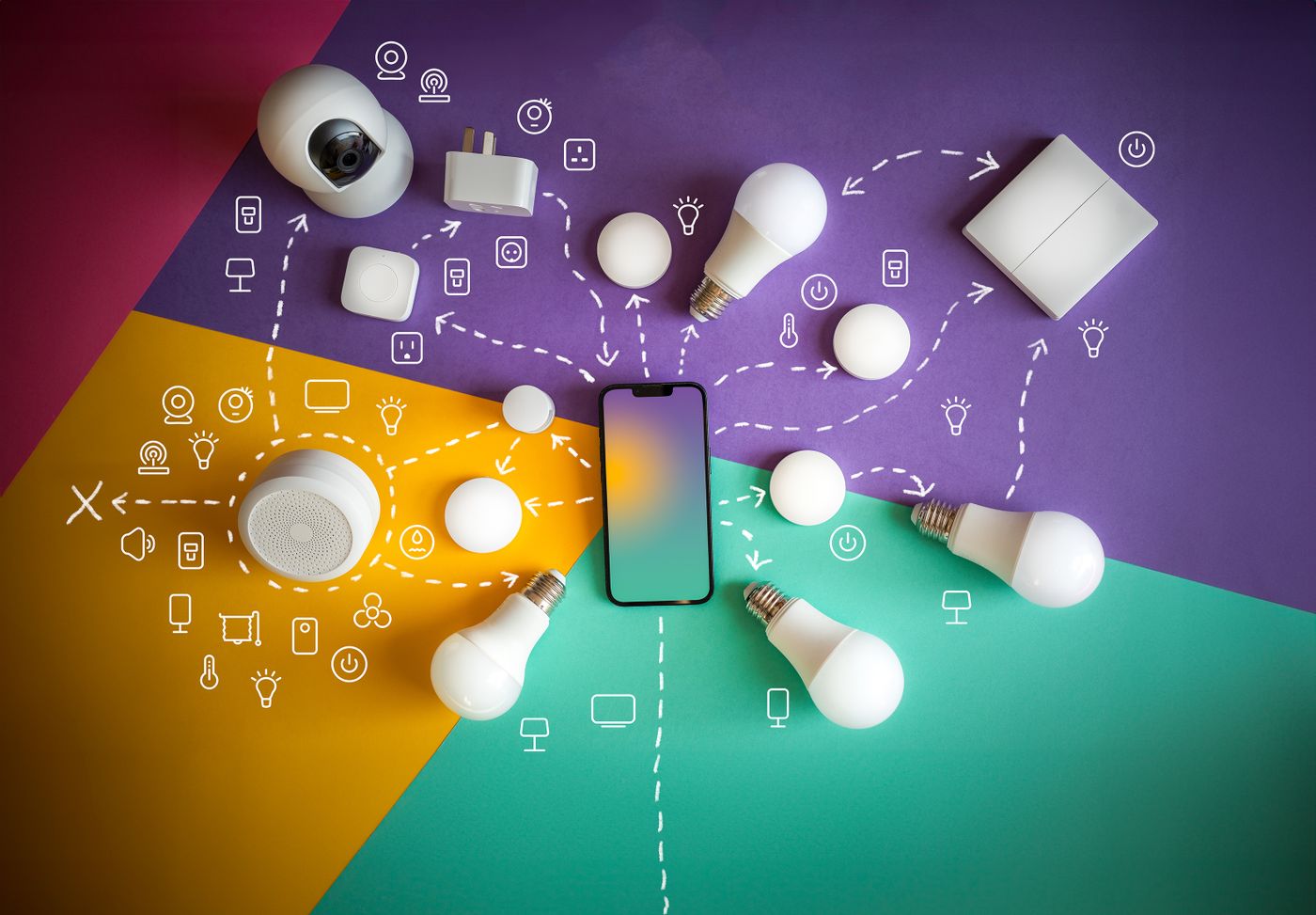
If a device will remain by agreement, settle who will configure it and what equipment it depends on. A sensor left behind without the hub you take away may be useless. Hand over the relevant manual and setup information through an appropriate private channel, and remove your own access. A good rented-home setup should be as easy to unwind as it was to start.